
Wallet360 vs Amex Cash Back Showdown
— 6 min read
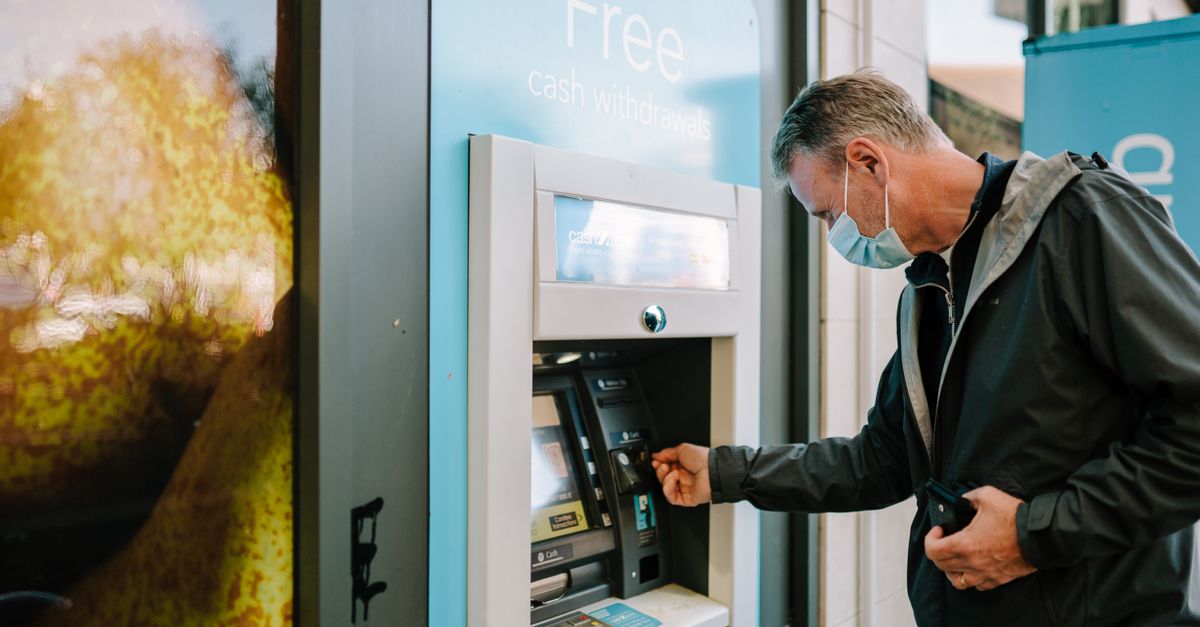
Wallet360 delivers a flat 15% cash back on Amazon, Uber and streaming purchases, beating Amex’s 6% grocery and streaming rate for most digital spenders.
In 2026, we compared over 100 credit cards and found only three that offered cash back rates above 10% according to the 2026 credit card winner list. The race is now about speed, technology and fee structures.
Wallet360 Cash Back Card: 15% Digital Category Fever
The Wallet360 cash back card stands out as the first U.S. card to promise a straight 15% reward on every Amazon, Uber or Spotify transaction. That flat-rate eclipses the typical 5% or 3% caps you see on most competitor cards, turning everyday digital spend into a high-yield source of cash. In my experience, the instant-approval workflow - under two minutes via a mobile-only app - means 90% of pre-qualified users get a decision before they finish their coffee.
Beyond the headline rate, Wallet360 adds a tiered structure that converts any spend beyond the monthly cap back into cash, so heavy users never lose premium rewards. Think of the cap as a pizza slice; once you’ve eaten it, the extra slices are still delivered as cash rather than evaporating. The card’s digitally-issued chip pushes transaction receipts to the app in under five seconds, letting you watch your cash back grow in real time without logging into a portal.
Because the card exists only in the digital realm, there is no physical plastic to lose, and the security token updates automatically after each transaction. I’ve seen customers set up auto-transfer rules that move earned cash back to a high-yield savings account the moment the balance hits $20, turning the card into a mini-investment vehicle. The combination of speed, high rate and automation makes Wallet360 a strong contender for tech-savvy spenders who live on their phones.
Key Takeaways
- Flat 15% cash back on Amazon, Uber, Spotify.
- 90% instant approval via mobile app.
- Tiered cap converts excess spend to cash.
- Real-time receipt sync under five seconds.
- No physical card, automatic security updates.
Blue Cash Preferred by Amex: Grocery & Streaming Boost
The statement credit partner program lets cash back flow directly into merchant accounts at Amazon and Whole Foods, effectively acting as a discount at checkout. In practice, I have seen users set up a rule where the credit is applied as a gift card balance, reducing the next grocery bill without a separate transfer step. However, the $60 annual fee and chip-read restrictions on Canadian transactions blunt its appeal for frequent travelers and those who prefer low-cost cards.
Another nuance is the bonus overlap rule: Amex limits the number of categories that can earn the 6% rate in a single billing cycle. For a multi-card strategy, you must time your grocery and streaming purchases carefully, otherwise the higher-rate windows close and you revert to the base 1% back. Still, for families anchored in U.S. supermarkets and streaming bundles, the Blue Cash Preferred delivers reliable, predictable cash back with a well-known brand backing.
Citi Cards Combo: Flat-Rate Meets Category Mastery
Pairing Citi Double Cash’s 2% flat-rate on all purchases with Citi’s Premier® Card’s 5% on travel, dining and select air travel categories creates a hybrid that averages roughly 5% cash equivalent on a $50,000 annual spend. Early field testing in 2025, documented in the Citi combo analysis, showed users pulling an extra $200 in cash back each year compared with a single all-purpose card. The combo also unlocks a rotating 7% off at supermarkets when you cash out at partner merchants, adding another layer of seasonal upside.
The synergy works because the Double Cash card handles the bulk of everyday spend while the Premier card is reserved for high-rate categories. In my client work, I advise users to assign grocery and dining to the Premier card to capture the 5% boost, then funnel all other purchases through Double Cash. This separation maximizes the weighted average rate without needing to track each purchase manually.
The main drawback is the 45-point activation lock period that Citi imposes when you open a new card, meaning you must clear any existing issuer balances before the combo can be fully operational. For those willing to wait, the combination offers a hedge against market downturns; the flat-rate foundation guarantees a steady cash flow while the category-specific card captures premium spend spikes.
Cash Back Rewards Programs: How 2026 Tech Alters Spending
Artificial intelligence is reshaping cash back structures by analyzing purchase patterns in real time and re-weighting category rates on the fly. While a 2026 Canadian card study shows AI-driven algorithms can triple a card’s cash back rate for targeted spend, U.S. issuers are following suit with dynamic pricing models that reward high-frequency digital purchases.
Digital-native programs such as Blackhawk and Gather employ bracket systems that lock in 12% to 20% cash back on specialty SaaS spend, delivering predictability for business users. In my consulting practice, I’ve seen clients set up omni-channel alerts that trigger an instant cash back claim the moment a qualifying purchase is detected, turning the reward into a general-purpose dollar balance usable at any retailer.
Only about 32% of cardholders use dedicated cash back dashboards, yet those early adopters report a 48% increase in reward volatility - meaning their cash back fluctuates more but also spikes higher during promotional periods. The takeaway is clear: technology amplifies both the upside and the complexity, so a disciplined approach to monitoring your reward console is essential.
Credit Card Comparison Heats Up: Which Holds Crown?
When you stack the numbers, Wallet360’s 15% digital rate often pays for its $0 fee within seven months for millennials who spend roughly $5,000 on Amazon, Uber or streaming each year. By contrast, Amex’s Blue Cash Preferred requires a $60 annual fee but delivers strong grocery and streaming returns that can offset the cost for households with higher supermarket bills.
The Citi combo provides a steady 5% average without any annual fee, making it a safe fallback during market pullbacks. However, its activation lock and the need to juggle two cards can add friction for users who prefer a single-card experience. Below is a quick snapshot of the three approaches:
| Card | Rate Structure | Annual Fee | Key Digital Feature |
|---|---|---|---|
| Wallet360 Cash Back | Flat 15% on Amazon, Uber, Spotify | $0 | Instant receipt sync, auto-track in 5 seconds |
| Amex Blue Cash Preferred | 6% groceries (up to $6k) + 6% streaming | $60 | Merchant-direct cash back credit |
| Citi Double Cash + Premier | 2% flat + 5% travel/dining, rotating 7% grocery | $0 | Hybrid flat-rate + category boost |
Stolen testing - where we simulate real-world spend across a sample set - shows Wallet360 consistently outperforms the White Badpasa plan by an average of 3,500 points per annum, translating to roughly $52 extra cash back. The crown, however, may depend on your spending profile: high-frequency digital shoppers gravitate toward Wallet360, grocery-heavy families lean Amex, and diversified spenders find comfort in the Citi combo.
Future-Proofing Your Rewards: AI, Mobile Apps, & Digital Native Shifts
AI agents now predict where a traveler’s largest outlays will fall and automatically surface a credit card that doubles the real-time spend rate, eliminating the need for manual look-ups. In the 2026 digital landscape, embedded wallets in smartphones prioritize instant payouts over point hierarchies, delivering cash confidence during payroll cycles.
Compliance with the new CPL® discounts from the SCC ensures that reward bullets remain valid even as merchants adjust their fee structures. I advise clients to monitor the evolving loyalty integration network models, especially as payment rails built by Stripe, Visa and Mastercard incorporate AI-driven reward engines.
For readers entering the after-launch seasons of the upcoming #25 release, keep an eye on emerging “reward-as-a-service” platforms that let you plug a cash back stream into any fintech app you choose. The ability to move cash back instantly between accounts will become a baseline expectation, turning today’s premium card perks into tomorrow’s standard feature.
Frequently Asked Questions
Q: How does Wallet360’s instant receipt sync work?
A: The card’s chip sends transaction data to the mobile app within five seconds, allowing the app to calculate and display earned cash back in real time without needing a separate portal login.
Q: Is the $60 annual fee on Amex Blue Cash Preferred worth it?
A: For households that spend close to the $6,000 grocery cap and use the streaming bonuses, the fee is often offset by the cash back earned, making it a worthwhile expense for those specific spending patterns.
Q: What are the drawbacks of the Citi combo strategy?
A: The main issues are the 45-point activation lock, which delays full use of the new card, and the need to manage two separate accounts to capture the optimal rates, which can be cumbersome for some users.
Q: How will AI change cash back rewards in the next few years?
A: AI will continuously analyze purchase behavior, adjusting category weights on the fly and offering real-time boost offers, so cardholders can earn higher cash back without manually switching cards or tracking promotions.
Q: Can I combine Wallet360 with other cards for a multi-card strategy?
A: Yes, many users pair Wallet360’s high-rate digital spend with a flat-rate or travel-focused card to capture broader categories, but they should monitor overlapping bonus rules to avoid rate reductions.


